


A Guide to Beef Cuts: Which Cut to Use (and How to Cook Each)
One of the most common things we get asked across the counter is some version of: "which cut do I want for this?" It's a fair question — beef has dozens of cuts, the names vary, and the difference between a cut that's perfect for a quick steak and one that needs four hours in the oven isn't obvious from looking. Get it right and the meal sings; get it wrong and even great beef disappoints.
Here's the plain-English guide to the main cuts, what each is best for, and how to cook it. The golden rule underneath all of it: tender cuts that do little work want quick, high heat; tougher, harder-working cuts want long, slow, low heat.
The premium steak cuts (quick, high heat)
These come from the parts of the animal that do the least work, so they're the most tender — and the most expensive.
Scotch fillet (cube roll / rib eye) — richly marbled, full-flavoured, forgiving to cook. Arguably the best all-round steak. Pan-sear or grill hot and fast, rest, and you're done. A whole scotch cube roll is great value if you want to cut your own steaks.
Eye fillet (tenderloin) — the most tender cut of all, lean and delicate. Best cooked quickly and not past medium, as it has little fat to protect it.
Sirloin / porterhouse — a firmer, leaner steak with a good strip of fat. A classic for the grill.
Rump — fuller-flavoured and a bit firmer than the premium steaks, and better value. Excellent grilled or pan-seared to medium-rare; a whole rump is a budget-friendly way to stock the freezer with steaks.
The roasting cuts
Scotch / rib roast — a premium roast with great marbling; roast it like a special-occasion centrepiece.
Topside — a lean, economical roasting cut. Best roasted to no more than medium and sliced thin (it's leaner, so it dries out if overcooked). Also the classic cut for roast beef sandwiches. A great-value everyday roast.
Rump roast — flavourful and good value, suits a medium roast.
The slow-cook / braising cuts (long, low heat)
These come from the hardest-working muscles, so they're tougher — but full of flavour and collagen that turns meltingly tender over hours. Cook them fast and they're chewy; cook them low and slow and they're the best eating on the animal.
Chuck — the king of slow cooking. Marbled and full of flavour, it becomes spoon-tender in a braise, stew or slow-cooker. Diced chuck is your everyday casserole beef.
Brisket — the low-and-slow legend. Smoke it, braise it, or slow-roast it for hours until it falls apart. Needs time and patience; rewards both.
Gravy beef / shin — high in collagen, perfect for rich stews and soups.
Oxtail and short rib — deeply flavoured, gelatinous, made for long braises. (Oxtail's in our organ meats & offal guide too.)
The everyday cuts
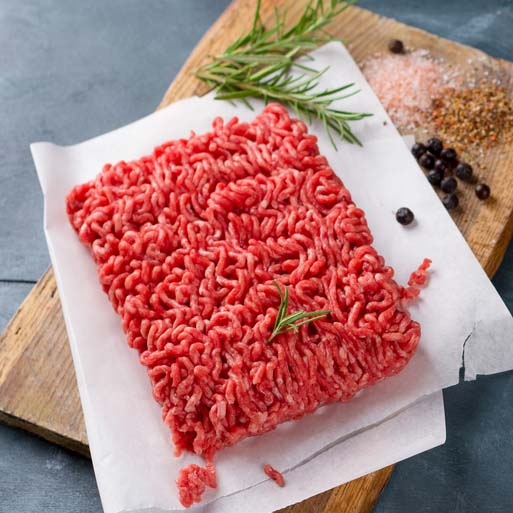
Mince — the workhorse. Bolognese, burgers, meatballs, tacos.
Sausages — a midweek staple (and ours are 100% gluten free).
A quick cheat-sheet
- Want a steak tonight? Scotch fillet, rump, sirloin or eye fillet — hot and fast.
- Sunday roast? Scotch/rib roast for special, topside for everyday.
- Stew, curry or slow-cooker? Chuck, gravy beef or brisket — low and slow.
- Midweek easy? Mince or sausages.
When in doubt, ask us — telling your butcher how you plan to cook it is the fastest way to the right cut. And once you've got your cut, our guide on how to cook grass-fed steak covers getting it perfect.
Buy grass-fed beef cuts in Perth
Every cut we sell is grass-fed, grass-finished and cut to your spec, delivered across Perth and regional WA.
Shop our full beef range → Shop whole cuts (cut your own steaks) → Shop grass-fed beef →
Frequently asked questions
What's the best cut of beef for a steak? For a quick pan or grill steak, the tender cuts win: scotch fillet (rib eye) for a rich, marbled, forgiving steak; eye fillet for the most tender; sirloin for a firmer, leaner option; and rump for great flavour at better value. Cook them hot and fast.
What cut of beef is best for slow cooking? Hard-working cuts like chuck, brisket, gravy beef (shin) and short rib are best for slow cooking. They're high in collagen, which breaks down over long, low cooking into rich, tender meat.
What is topside beef best for? Topside is a lean, economical roasting cut. Roast it to no more than medium and slice it thin (it dries out if overcooked), or use it for roast beef sandwiches. It's a great-value everyday roast.
What's the difference between scotch fillet and eye fillet? Scotch fillet (rib eye) is richly marbled, full-flavoured and forgiving to cook. Eye fillet (tenderloin) is the most tender cut but leaner and more delicate, so it's best cooked quickly and not past medium.
Which beef cut is best value? Cuts like rump (for steaks) and chuck or brisket (for slow cooking) give excellent flavour for the price. Buying whole cuts and portioning them yourself, or buying in bulk, lowers the per-kilo cost further.

Add a comment