


Is Kangaroo Meat Healthy? A Guide to Buying and Cooking Roo
Kangaroo is one of those meats almost every Australian has tried once and then quietly never cooked again — usually because the first attempt came out tough and dry. That's a shame, because roo is one of the leanest, most nutrient-rich and most sustainable red meats you can buy. The trick is simply knowing how to handle it.
Here's the honest guide: what's good about kangaroo, and how to cook it so it's tender every time.
Is kangaroo meat actually healthy?
In nutritional terms, kangaroo is hard to beat as a red meat:
- Very lean — typically around 2% fat, far leaner than beef or lamb, with very little saturated fat.
- High in protein — a lean, high-protein red meat ideal if you're watching fat intake.
- Rich in iron and zinc — often higher than beef, which makes it great for energy and immune support.
- A good source of CLA and omega-3s — because kangaroos are wild and grass-eating, the fat they do carry has a favourable profile.
It's about as clean a red meat as exists in Australia — wild, free-ranging, never feedlotted, no added hormones.
Why kangaroo is the sustainable choice
Kangaroos are native, wild and free-roaming. They're not farmed, don't need cleared land, irrigation or feed crops, and have a far lower environmental footprint than conventional livestock. Harvested under Australia's regulated wild-harvest system, roo is one of the few genuinely sustainable red meats on the market. For anyone weighing up the environmental side of eating meat, it's a strong option.
How to cook kangaroo (so it's not tough)
This is where most people go wrong. Because kangaroo is so lean, it has almost no fat to keep it moist — so the rules are the opposite of cooking a fatty steak:
For steaks and fillets — hot and fast, rare to medium-rare. Get the pan or grill very hot, sear briefly on each side, and pull it off at rare to medium-rare. Past medium it turns dry and livery. A little oil or beef tallow in the pan helps, since the meat brings almost none of its own.
Rest it well. Like all lean meat, kangaroo needs a proper rest — 5 minutes minimum — to stay juicy. Slice against the grain.
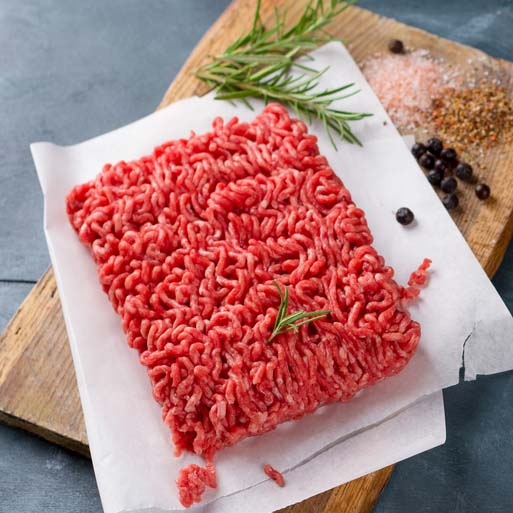
For mince — treat it like very lean beef. Kangaroo mince makes excellent burgers, koftas, bolognese and chilli, but add a little fat (olive oil, or mix with some fattier mince) so it doesn't dry out. It's a great way to ease into roo if steaks feel like a leap.
For tougher cuts — low and slow. Tail and shanks love a long, slow braise, turning rich and tender over a few hours.
The golden rule: lean means quick. Cook it hot and fast and stop early, or slow and low for hours — never in between.
A simple way to start
If you're new to kangaroo, start with the mince in a familiar dish — a bolognese or burger — then graduate to a quick-seared steak once you trust the "rare and rested" approach. It's leaner, it's local, and once you cook it right you'll wonder why it isn't on the menu more often.
Buy kangaroo & game meat in Perth
Our game range includes kangaroo alongside our other free-range and wild options, delivered across Perth and regional WA.
Shop kangaroo & game meat → Shop kangaroo mince → See our full range →
Frequently asked questions
Is kangaroo meat healthy? Yes — kangaroo is one of the leanest red meats available (around 2% fat), high in protein, and rich in iron, zinc, CLA and omega-3s. It has very little saturated fat, which makes it a strong choice for a lean, nutrient-dense red meat.
Why is kangaroo meat so lean? Kangaroos are wild, free-roaming animals that are never feedlotted or grain-finished, so they carry very little fat. That's what makes the meat so lean — and why it needs to be cooked quickly to stay tender.
How do you cook kangaroo so it's not tough? Cook steaks and fillets hot and fast and pull them off at rare to medium-rare — past medium they dry out. Rest the meat for at least 5 minutes and slice against the grain. Tougher cuts like tail suit a long, slow braise instead.
Is kangaroo meat sustainable? Yes. Kangaroos are native, wild and free-roaming, not farmed, so they need no cleared land, feed crops or irrigation. Harvested under Australia's regulated wild-harvest system, kangaroo is one of the most sustainable red meats available.
What does kangaroo taste like? Kangaroo has a rich, slightly gamey, mineral flavour — deeper than beef but not overpowering. Cooked rare to medium-rare it's tender and savoury; overcooked it becomes dry and livery.

Add a comment